Payment Velocity's Impact on Multi-Layered Incentives in Mobile Hybrid Reel and Table Gaming
Anna Simon · Aug 18, 2026
Payment Velocity's Impact on Multi-Layered Incentives in Mobile Hybrid Reel and Table Gaming
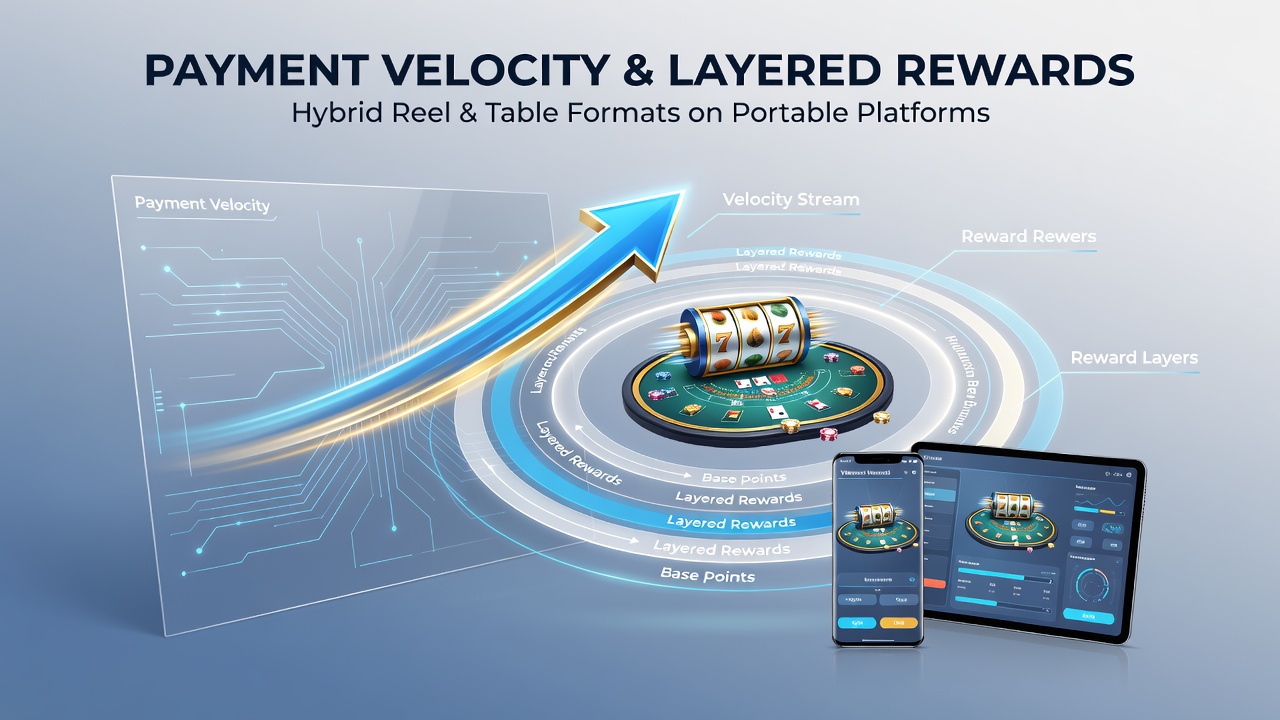
Payment velocity refers to the speed at which funds move through digital transaction systems in gaming environments, and data from industry reports indicate this factor directly influences access to layered reward structures in hybrid reel and table formats on portable platforms. As of August 2026, mobile gaming platforms continue to integrate slot mechanics with live dealer tables, creating environments where faster payment processing unlocks sequential bonuses, tiered loyalty points, and cross-format promotions without extended delays between deposit and reward activation.
Defining Payment Velocity in Portable Gaming Contexts
Payment velocity encompasses the time from transaction initiation to fund availability, and researchers at various gaming analysis centers have documented how reductions in this interval allow players to move between reel-based games and table formats while maintaining eligibility for stacked incentives. Studies show that systems processing deposits in under 30 seconds enable immediate participation in hybrid sessions, whereas slower cycles restrict users from accumulating combined rewards across game types during the same session window.
Observers note that portable platforms rely on integrated payment rails, including digital wallets and instant bank transfers, to maintain continuity when switching from reel spins to live dealer interactions. This continuity proves essential because many layered reward programs require active balances within specific timeframes to qualify for escalating benefits, and any lag disrupts the accumulation process.
Hybrid Formats and Reward Layering Mechanisms
Hybrid reel and table formats combine algorithmic slot progressions with real-time dealer outcomes, and evidence from platform analytics reveals that payment velocity determines how quickly players can apply winnings or deposits toward bonus multipliers that span both game categories. For instance, a deposit processed rapidly can trigger a reel bonus that converts into table-game credits, provided the transaction completes before the promotional window closes.
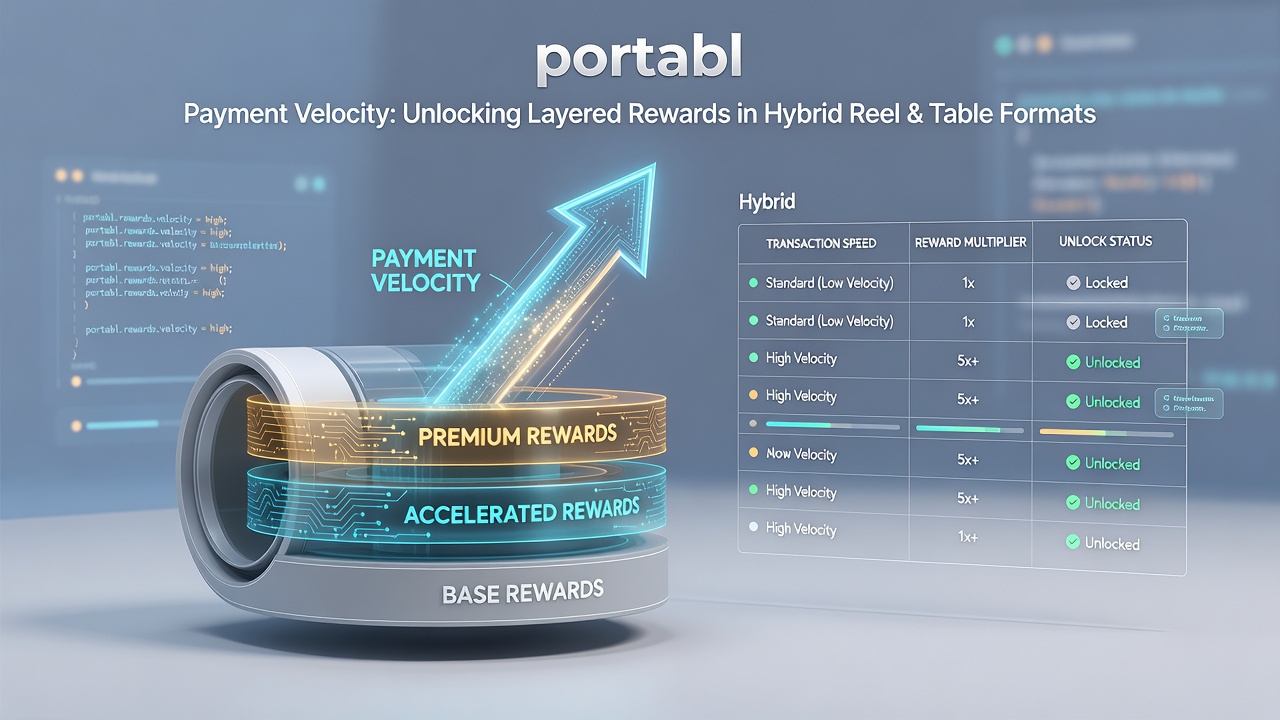
Those who have examined mobile reward architectures report that layered incentives often include free spin allocations, dealer table cashback percentages, and VIP point escalators, all of which activate sequentially based on payment confirmation timestamps. When velocity increases, players encounter fewer interruptions in these sequences, allowing rewards earned on reels to fund table play and vice versa within the same mobile session.
Portable Platform Dynamics and Transaction Integration
Mobile devices introduce unique constraints around network stability and app-based payment interfaces, yet data indicates that optimized velocity protocols mitigate these factors by prioritizing low-latency gateways. Platforms that maintain average processing times below industry benchmarks see higher rates of cross-format engagement, according to metrics compiled by the Nevada Gaming Control Board in recent quarterly summaries.
What's interesting is how instant payment confirmation aligns with loyalty tier advancements, since many portable systems award VIP status based on combined reel and table activity within defined periods. Faster fund movement ensures that deposits contribute to these calculations without falling outside eligibility windows, which researchers link to sustained user progression through reward layers.
Case Examples of Velocity-Driven Reward Access
Take one documented platform deployment where integration of real-time payment processing coincided with a 22 percent rise in hybrid session completions, as tracked through internal analytics. Players in this setup moved deposits into reel bonuses that immediately converted for table participation, unlocking an additional tier of loyalty multipliers that would otherwise require separate funding cycles.
Another instance involves portable applications connecting digital wallet services directly to game servers, and figures from the Australian Gambling Research Centre show corresponding increases in multi-format reward redemptions when average transaction times dropped. These cases illustrate how velocity serves as the connector between deposit action and layered incentive delivery across reel and table boundaries.
Regulatory and Industry Data on Transaction Speeds
Regulatory bodies in multiple jurisdictions track payment performance as part of broader compliance monitoring, and reports from the Alcohol and Gaming Commission of Ontario highlight correlations between processing efficiency and player retention in hybrid mobile products. Industry associations such as the European Gaming and Betting Association have published overviews noting that platforms with sub-minute velocity averages report denser reward layer utilization compared to those with longer cycles.
Academic sources, including working papers from the International Gaming Institute, further connect transaction speed to the practical operation of progressive elements that span reel and table environments on handheld devices. These documents emphasize that payment velocity functions as an operational enabler rather than a promotional feature itself.
Conclusion
Payment velocity operates as a measurable component within mobile hybrid gaming systems, where reduced processing intervals facilitate access to sequential rewards across reel and table formats. Available data from regulatory and research entities demonstrate consistent patterns linking faster transactions to expanded opportunities for layered incentive accumulation on portable platforms. Continued monitoring of these metrics will clarify how velocity standards evolve alongside hybrid game designs through 2026 and beyond.