Payment Pathways Reshaping Eligibility Protocols in Smartphone Live Action Prize Builders with Tiered Incentive Layers
Taylor Krüger · Jun 16, 2026
Payment Pathways Reshaping Eligibility Protocols in Smartphone Live Action Prize Builders with Tiered Incentive Layers
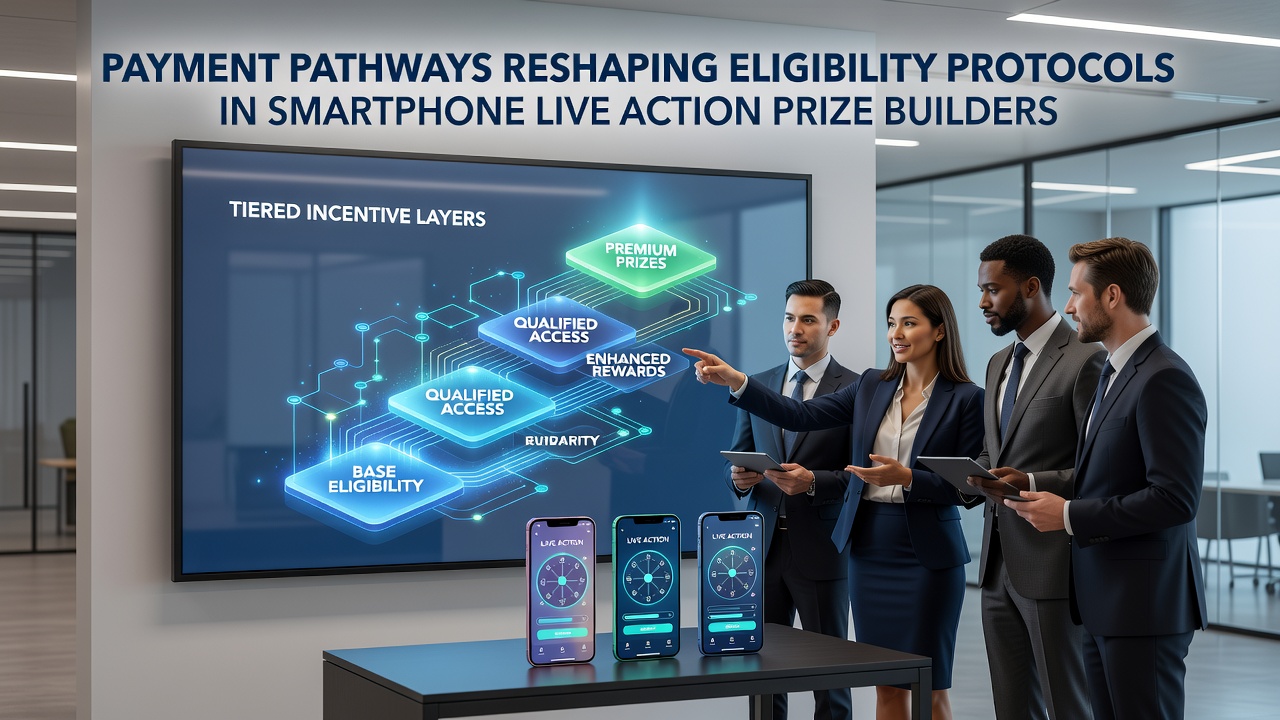
Payment systems now connect directly to eligibility checks inside smartphone applications that host live action prize events, and this linkage alters how participants qualify for different reward levels across multiple incentive structures. Developers integrate transaction data with verification steps so that payment confirmation becomes part of the access rules rather than a separate process, while tiered incentive layers adjust automatically based on verified activity history and funding sources.
Live action prize builders on mobile devices combine real-time event participation with automated prize pool contributions, yet eligibility often hinges on the type and speed of payment used to enter. Systems track payment pathways through digital wallets, bank transfers, and card networks, then apply those records to determine which incentive tier opens for each user. Data from industry reports shows that platforms using instant settlement methods record higher rates of tier advancement compared with those relying on standard card authorizations that require additional confirmation steps.
Integration of Payment Verification with Tier Access Rules
Smartphone applications link payment gateways to user profiles so that each successful transaction updates eligibility status without manual review. This setup allows platforms to enforce geographic restrictions, age requirements, and funding source rules through automated checks that run during the payment flow itself. Observers note that when payment pathways include built-in identity verification, users reach higher incentive layers faster because the system already holds the necessary documentation.
Tiered incentive layers operate on cumulative transaction values and frequency, yet payment method influences how quickly those values count toward advancement. Applications that accept cryptocurrency transfers or regional e-wallets sometimes apply different weighting formulas, reflecting settlement times and associated compliance costs. Research from the University of Nevada, Las Vegas indicates that platforms adjusting tier calculations by payment type see measurable differences in user retention across incentive brackets.
Live Action Event Structures and Payment-Driven Eligibility
Live action events within these mobile prize builders stream real-time competitions where participants place entries through the same payment interface that governs tier access. Eligibility protocols require that payment clears before an entry registers in the event pool, which prevents incomplete transactions from affecting prize distribution. June 2026 updates to several major platforms introduced real-time ledger syncing that confirms payment status within seconds, allowing immediate entry into live sessions for users whose payment pathways meet protocol standards.
Those who study these systems find that payment method choice affects not only entry approval but also the multiplier applied to any earned incentives. Applications assign higher multipliers to payments processed through verified domestic channels, whereas international card transactions may trigger additional compliance layers that delay tier progression. The European Gaming and Betting Association published figures in early 2026 showing that platforms with unified payment and eligibility engines experienced a 17 percent increase in completed tier advancements during live events.
Automated Protocol Adjustments Across Incentive Layers
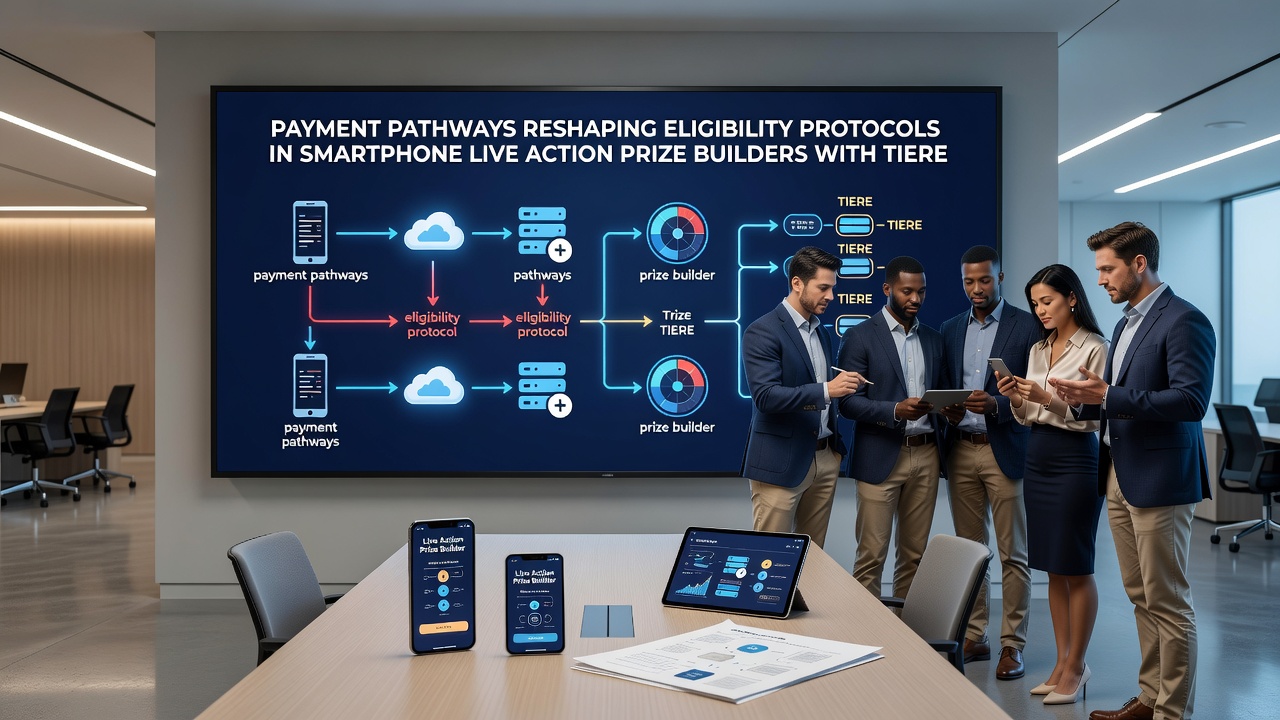
Developers program these applications to recalculate eligibility thresholds whenever payment patterns change, creating dynamic rules that respond to user behavior. A payment through a new funding source might reset certain verification timers, while repeated use of an approved pathway can unlock accelerated progression through incentive layers. This responsiveness stems from backend systems that treat transaction metadata as primary eligibility signals rather than secondary data points.
Smartphone prize builders now embed rule engines that evaluate payment velocity, average transaction size, and source diversity when assigning users to incentive tiers. Applications that once required separate documentation uploads now pull verification status directly from payment processors, reducing the steps needed to maintain active tier status. Figures from regulatory filings in multiple jurisdictions reveal that streamlined payment-linked protocols correlate with lower rates of abandoned entries during live action events.
Regional Variations in Payment Pathway Standards
Different markets apply distinct requirements for how payment pathways must align with eligibility protocols, and smartphone applications adjust their systems accordingly. In regions where instant bank transfers dominate, platforms often grant immediate tier credit once funds settle, whereas markets reliant on card networks maintain longer review windows. These variations influence how quickly users advance through incentive layers when participating in cross-border live events.
Applications serving multiple territories maintain separate rule sets that activate based on detected payment origin and device location. This approach ensures compliance while preserving the tiered structure that rewards consistent payment activity. Data compiled by academic researchers shows that users who switch between compliant payment pathways within a single application maintain higher average incentive levels than those limited to one method.
Conclusion
Payment pathways continue to merge with eligibility protocols inside smartphone live action prize builders, producing tiered incentive systems that respond directly to transaction data. As platforms refine these connections, the relationship between funding method and reward access becomes more precise, affecting how participants move through incentive layers during live events. Continued development in this area centers on faster verification and broader payment acceptance while preserving the automated rules that govern tier advancement.