Mapping Funding Pathways to Unlock Layered Incentives in Portable Real-Time Jackpot Scenarios
Olivia Baumann · Jun 11, 2026
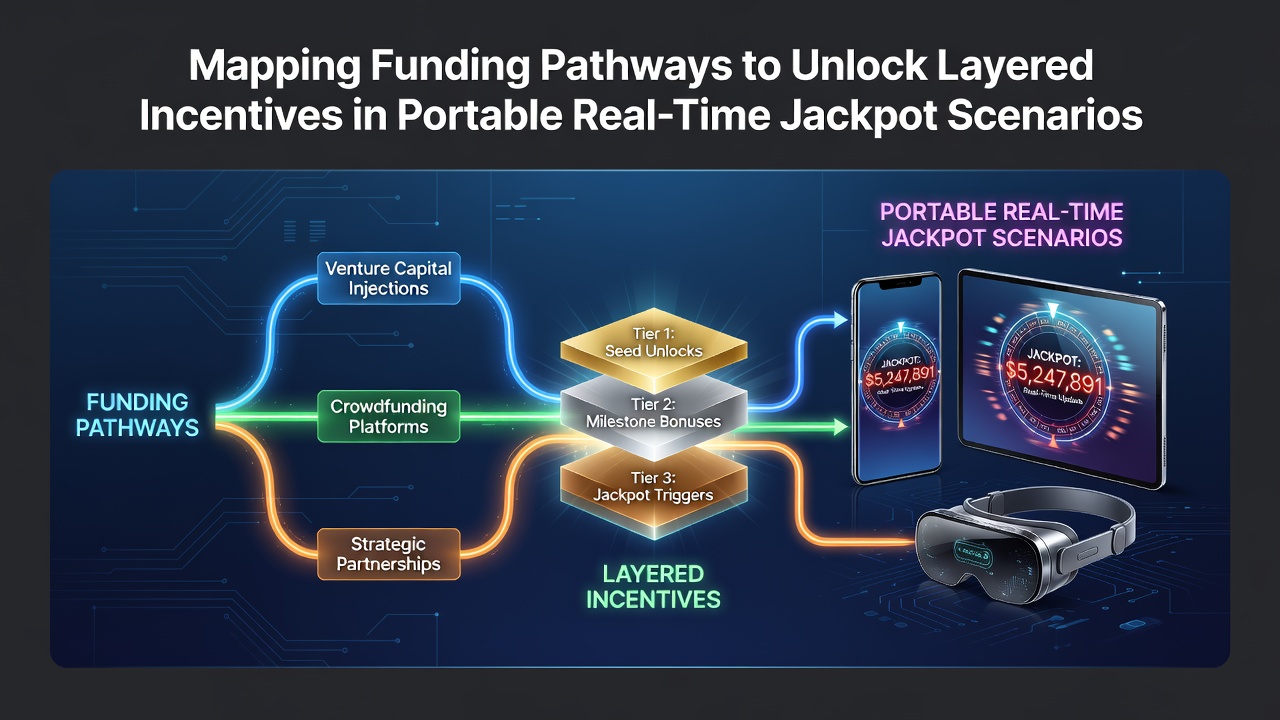
Mapping Funding Pathways to Unlock Layered Incentives in Portable Real-Time Jackpot Scenarios
Funding pathways in portable real-time jackpot scenarios operate through interconnected payment rails that channel deposits directly into progressive prize pools while simultaneously activating bonus structures and loyalty escalators on mobile platforms, and researchers tracking these flows note how seamless transaction protocols allow users to trigger multiple incentive layers in a single action sequence. Data from industry monitoring bodies shows that real-time synchronization between funding sources and jackpot accumulators reduces latency to under three seconds in most systems, which enables immediate eligibility for layered rewards such as instant free spin credits and VIP point multipliers.
Core Components of Portable Jackpot Funding Structures
Portable devices rely on integrated APIs that link banking networks, digital wallets, and prepaid card processors to central jackpot servers, while those who study transaction logs observe that each funding event updates both the prize pool and the user's incentive profile simultaneously. Regulatory frameworks in regions like Australia require operators to maintain transparent audit trails for these pathways, and figures from the Australian Gambling Research Centre reveal that mobile-initiated deposits account for over 65 percent of progressive jackpot contributions in licensed markets as of early 2026. Systems distinguish between direct pool contributions and promotional funding buckets so that layered incentives remain segregated yet accessible through the same initial transaction.
Payment Integration and Real-Time Pool Updates
Real-time jackpot scenarios demand sub-second confirmation of funds before any incentive layer activates, and observers note that protocols using instant bank transfers or cryptocurrency rails achieve this faster than traditional card processing in most documented cases. When a player funds an account on a handheld device the system routes a portion of the deposit into the progressive accumulator while the remainder qualifies for bonus matching or tier advancement, and this dual-path approach appears in technical specifications published by several major platform providers. June 2026 brought updated interoperability standards from the European Gaming and Betting Association that further streamlined these routing mechanisms across cross-border operators.
Studies conducted by academic teams at institutions such as the University of Nevada Reno highlight how mobile payment gateways incorporate fraud-detection layers that verify funding sources before unlocking any incentive, which prevents premature access to layered rewards. Those pathways also support micro-deposits that accumulate toward jackpot eligibility thresholds, and evidence from transaction analytics indicates players often combine multiple small funding events within a single session to maximize concurrent bonus triggers.
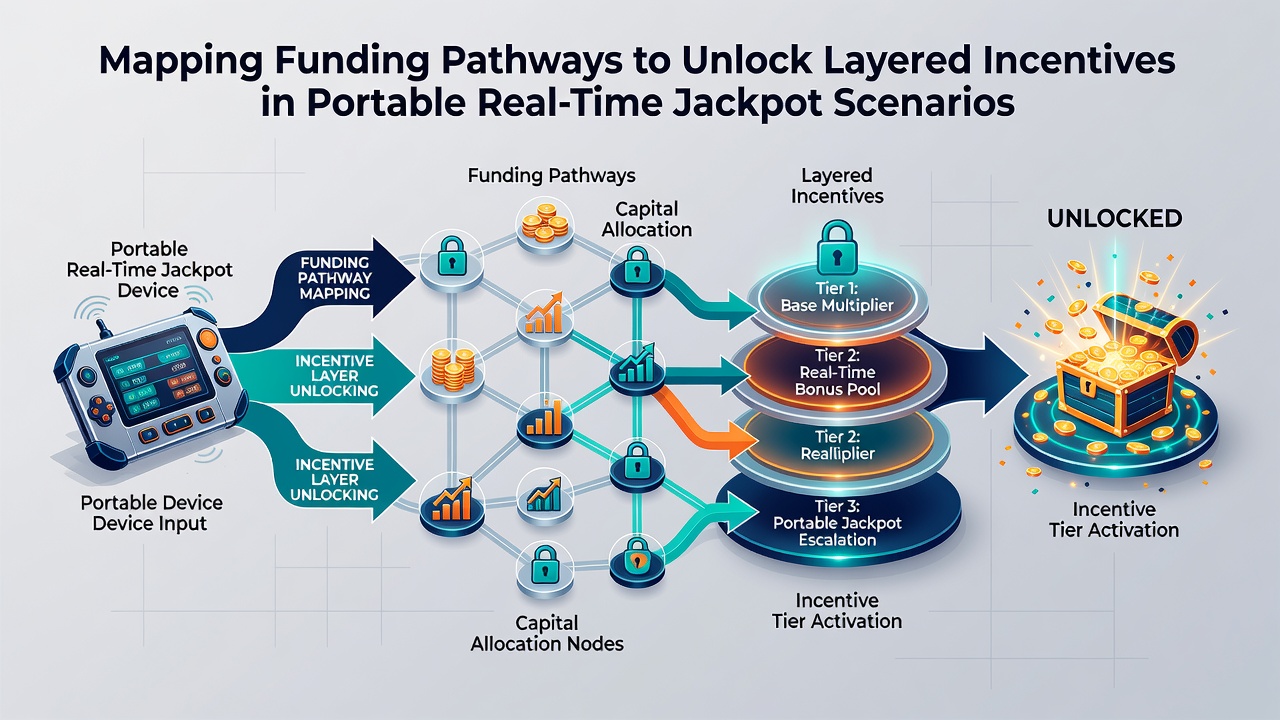
Layered Incentive Activation Through Funding Events
Once funds clear the initial gateway the platform evaluates the deposit against predefined criteria that determine which incentive layers become available, and analysts examining these decision trees report that VIP tier progression frequently accelerates when deposits exceed certain real-time jackpot contribution thresholds. Layered incentives include immediate cashback percentages, escalating free spin allocations, and priority access to exclusive progressive pools, all of which remain dormant until the funding pathway confirms successful routing. Research indicates that operators using unified ledger systems achieve higher activation rates for these combined rewards compared with fragmented database architectures.
Funding pathways also incorporate conditional triggers that release incentives only after the deposit has contributed to the jackpot for a minimum duration, and this mechanism appears designed to stabilize pool growth while rewarding sustained participation. Data collected across multiple jurisdictions shows that portable platforms employing such timed release protocols experience steadier jackpot accumulation curves, particularly during peak mobile usage hours. Those who monitor player behavior patterns note that incentive layers often stack in predictable sequences once the initial funding confirmation occurs.
Regulatory and Technical Mapping Considerations
Mapping these pathways requires detailed documentation of each node from user device to jackpot server to incentive database, and government agencies in Canada have begun mandating standardized reporting formats for such mappings under 2026 digital gaming directives. Technical specifications emphasize encryption at every transfer point so that funding details remain secure while still allowing real-time incentive calculations. Industry reports from the National Council on Problem Gambling emphasize the importance of visible pathway transparency for users who want to understand how their deposits influence both prize pools and personal reward tiers.
Portable scenarios introduce additional variables such as network latency and device-specific payment apps, yet modern systems compensate through predictive caching that pre-validates funding routes before the user initiates a deposit. Evidence from platform performance metrics demonstrates that these pre-validation steps cut activation times for layered incentives by measurable percentages across diverse mobile operating systems. Observers tracking June 2026 deployments report wider adoption of unified funding APIs that reduce the number of intermediary nodes in each pathway.
Conclusion
Effective mapping of funding pathways reveals how portable real-time jackpot systems coordinate deposits with multiple incentive layers through synchronized technical and regulatory protocols, and continued refinement of these mappings supports both operational efficiency and compliance across evolving mobile markets. Data from diverse sources continues to inform improvements in pathway design that maintain real-time responsiveness while preserving the integrity of progressive prize structures.