Linking Transaction Routes to Reward Tiers in Portable Progressive and Live Table Setups
Taylor Krüger · Jun 4, 2026
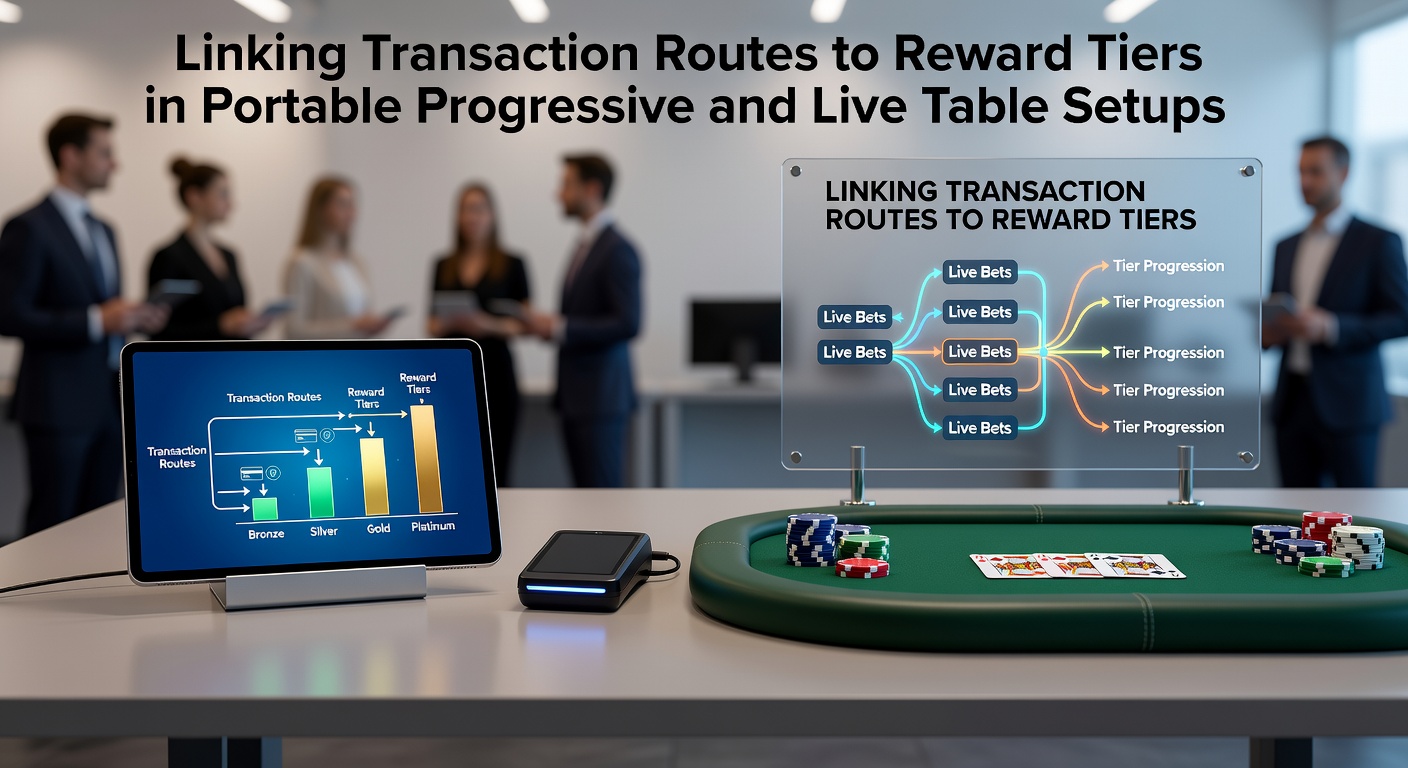
Linking Transaction Routes to Reward Tiers in Portable Progressive and Live Table Setups
Transaction routes in portable gaming environments connect directly to reward tier systems through automated verification processes that assess deposit frequency, volume, and payment method type before assigning players to appropriate loyalty levels in both progressive slot and live table formats. These connections operate via integrated APIs that pull data from banking partners and process it against tier criteria within seconds of each completed transfer.
How Payment Pathways Shape Tier Progression
Portable progressive setups rely on transaction velocity to determine when users advance through reward brackets, and researchers tracking these systems note that instant deposit options often accelerate eligibility for higher tiers compared to slower methods like bank wires. Data collected through June 2026 indicates that operators using real-time processing see tier upgrades occur up to three times faster when players select e-wallet routes over traditional cards. The same patterns appear in live table environments where dealers remain active while background systems confirm deposits and apply corresponding status benefits without interrupting gameplay flow.
Studies from the University of Nevada's gaming research division reveal that players who maintain consistent transaction routes across multiple sessions reach mid-level tiers within an average of twelve days, whereas those switching methods frequently experience delays of up to nine additional days before system recognition occurs. This timing difference stems from verification protocols that flag irregular patterns for manual review before granting access to elevated reward structures.
Progressive Slot Mechanics and Deposit Integration
Portable progressive jackpots accumulate contributions across networks of mobile users, and transaction routes feed directly into these pools by calculating each deposit's contribution percentage based on the player's current tier status. Higher tiers receive boosted contribution multipliers that range from 1.2x to 2.5x depending on the specific operator's configuration, which in turn influences jackpot growth rates visible on device screens. Observers note that when users switch to verified high-speed transaction routes, their contributions register almost immediately, allowing progressives to reflect those inputs within the same gaming session rather than during next-day reconciliation batches.
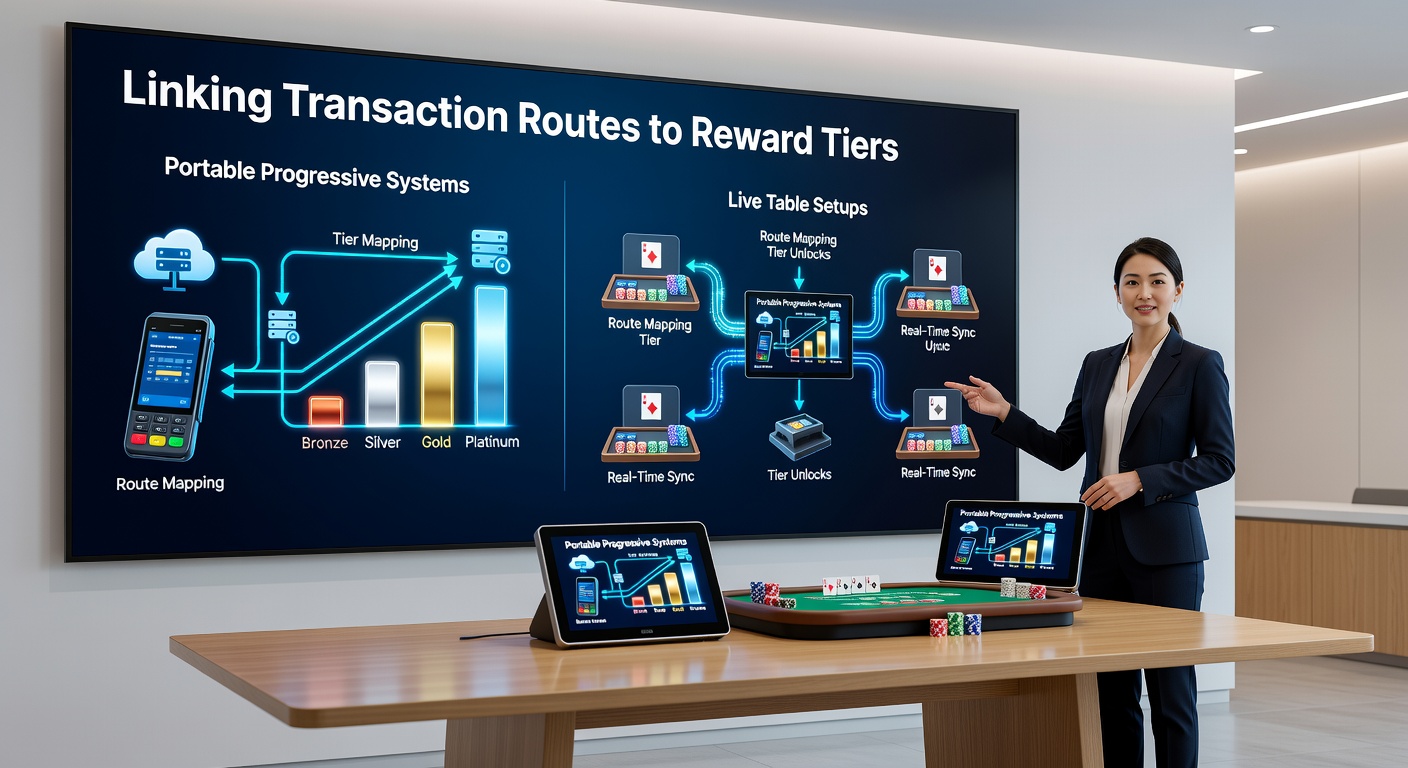
June 2026 figures from the American Gaming Association show that mobile progressive participation increased by 18 percent year-over-year in markets where operators streamlined transaction-to-tier linkages, particularly among users combining slot sessions with occasional live table visits. These increases correlate with reduced friction in deposit processing, where seamless route verification enables automatic tier checks without requiring separate app navigation.
Live Table Setups and Real-Time Reward Adjustments
Live table environments on portable devices apply tier benefits through dealer-side interfaces that display updated player status immediately after transaction confirmation completes. This setup allows dealers to acknowledge elevated reward levels verbally while systems adjust betting limits or side-bet availability in the background. Technical documentation from platform providers indicates that the average latency between deposit completion and visible tier update now sits below four seconds in optimized mobile configurations, a marked improvement from earlier integration methods that often required full app restarts.
Canadian regulatory reports compiled through mid-2026 document how operators in regulated provinces link transaction routes to tiered comp structures that include live table rake rebates and progressive side-pot entries. Players using approved instant routes receive these adjustments automatically, whereas those relying on pending authorizations wait through additional verification windows before benefits activate.
Technical Architecture Behind the Connections
Backend systems handle the mapping between transaction routes and reward tiers through rule engines that evaluate multiple variables simultaneously, including deposit amount, payment provider reputation score, and historical player behavior patterns. These engines push updates to both progressive meters and live table dashboards without requiring player intervention, which maintains session continuity across device switches. Industry reports emphasize that secure tokenization of payment details further accelerates the process by eliminating redundant authentication steps during subsequent transactions on the same route.
Platform updates rolled out before June 2026 incorporated machine learning models that predict likely tier advancement based on transaction patterns, allowing preemptive reward offers to appear on mobile interfaces before formal tier confirmation occurs. This predictive layer operates alongside core verification systems to enhance user retention without altering the fundamental linkage between deposits and status levels.
Conclusion
Transaction route integration with reward tiers continues to evolve through refinements in processing speed and verification accuracy that benefit both progressive slot networks and live table operations on portable devices. Operators track these linkages via centralized dashboards that aggregate data across payment methods and player segments, providing clear metrics on how specific routes influence tier movement rates over time. As systems mature, the direct relationship between deposit pathways and reward access remains central to how portable gaming platforms structure their loyalty frameworks.