Intersections of Settlement Speeds and Tiered Incentives Under Procedural Guidelines in Portable Table Formats
Taylor Krüger · Jun 9, 2026
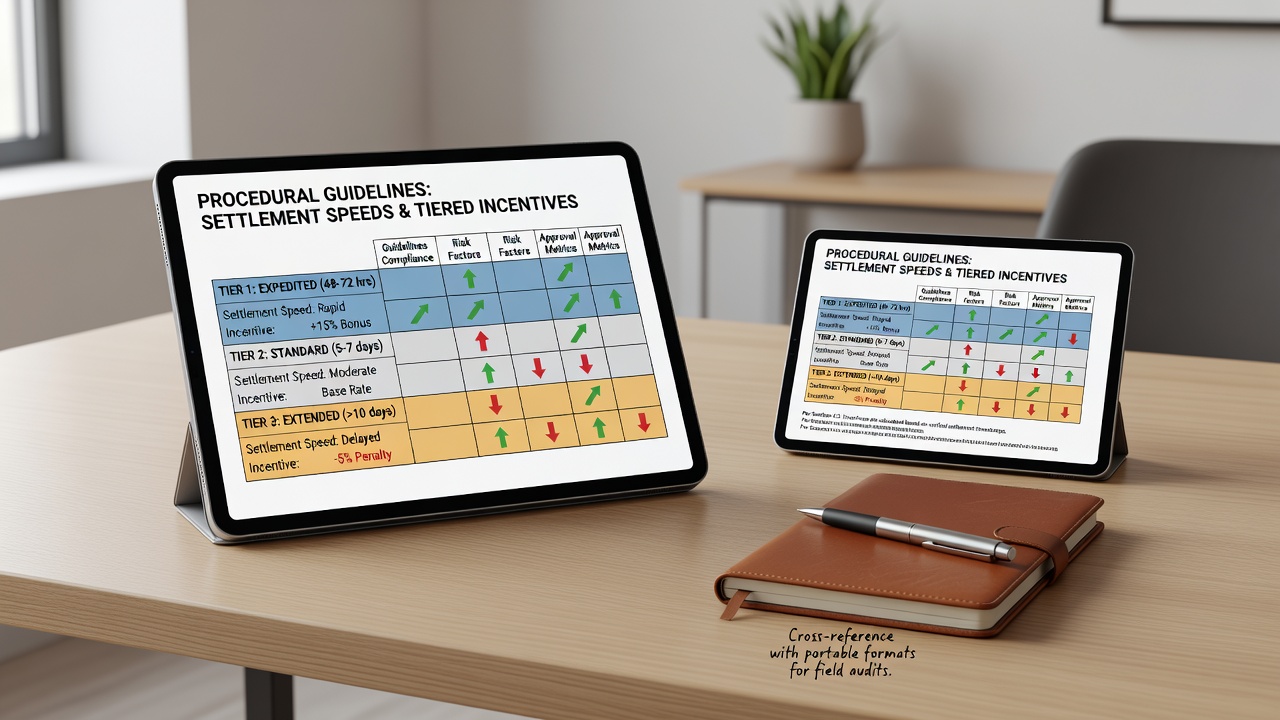
Intersections of Settlement Speeds and Tiered Incentives Under Procedural Guidelines in Portable Table Formats
Settlement speeds represent the duration required for financial transactions to finalize within digital platforms, while tiered incentives encompass structured reward systems that escalate based on user activity levels, and procedural guidelines establish the regulatory frameworks that govern these elements across portable table formats on mobile devices. Observers note that these components intersect in mobile environments where table game interfaces operate, creating operational dynamics that operators must navigate under established protocols. Data from industry reports indicate that faster settlement processes often align with higher incentive tiers, enabling participants to access rewards more promptly while adhering to compliance requirements.
Procedural guidelines in this domain draw from various international standards, including those outlined by the European Gaming and Betting Association, which emphasize transparency in transaction handling and reward distribution. Researchers have documented that in portable table formats, settlement speeds typically range from instantaneous to several business days depending on payment method and jurisdictional rules, with tiered incentives calibrated to reward consistent engagement through mechanisms such as loyalty points or elevated status levels. Those who have examined these systems find that alignment between rapid settlements and progressive incentives can streamline user experiences on handheld devices without compromising oversight mechanisms.
Core Elements of Settlement Speeds in Mobile Contexts
Settlement speeds in portable table formats involve the processing timelines for deposits, withdrawals, and in-game transactions that support table-based activities like strategy-driven card games or simulation environments. Studies show that these speeds vary by factors including network connectivity, payment provider efficiency, and regional banking integrations, where mobile platforms often prioritize near-real-time confirmations to maintain operational flow. Evidence suggests that delays in settlement can influence incentive eligibility, as many systems require verified fund movements before advancing users through reward tiers. According to analyses from the Australian Communications and Media Authority, mobile transaction volumes in regulated sectors reached notable figures by early 2026, highlighting the role of accelerated settlements in supporting incentive structures.
Operators implement these speeds through backend protocols that interface with user accounts on portable devices, ensuring that each completed cycle feeds into tier calculations. What's interesting is how procedural guidelines mandate documentation of these processes, requiring platforms to log timestamps and verification steps for audit purposes. Data indicates that platforms achieving sub-hour settlements tend to see higher retention in upper incentive tiers, though this correlation stems from mechanical linkages rather than external variables.
Tiered Incentives and Their Structural Integration
Tiered incentives function as layered reward ladders where participants progress through defined stages based on metrics such as transaction volume, session duration, and adherence to platform rules. In portable table formats, these tiers manifest as status upgrades that unlock benefits including reduced fees or priority access to certain features, all governed by procedural guidelines that specify qualification criteria and maintenance requirements. Research from academic sources, including papers published through the University of Nevada's gaming studies program, reveals that incentive tiers often incorporate settlement speed data as a qualifying factor, allowing faster-processed activities to contribute more directly to advancement.
Figures reveal that by June 2026, several mobile platforms had updated their tier models to incorporate real-time settlement tracking, reflecting broader shifts in regulatory expectations across North American jurisdictions. Those who've studied incentive architectures observe that lower tiers might offer basic point accumulation, whereas higher tiers provide compounded advantages tied to verified transaction completions. Procedural guidelines ensure these progressions remain equitable, with clear thresholds documented in platform terms that users access via mobile interfaces.
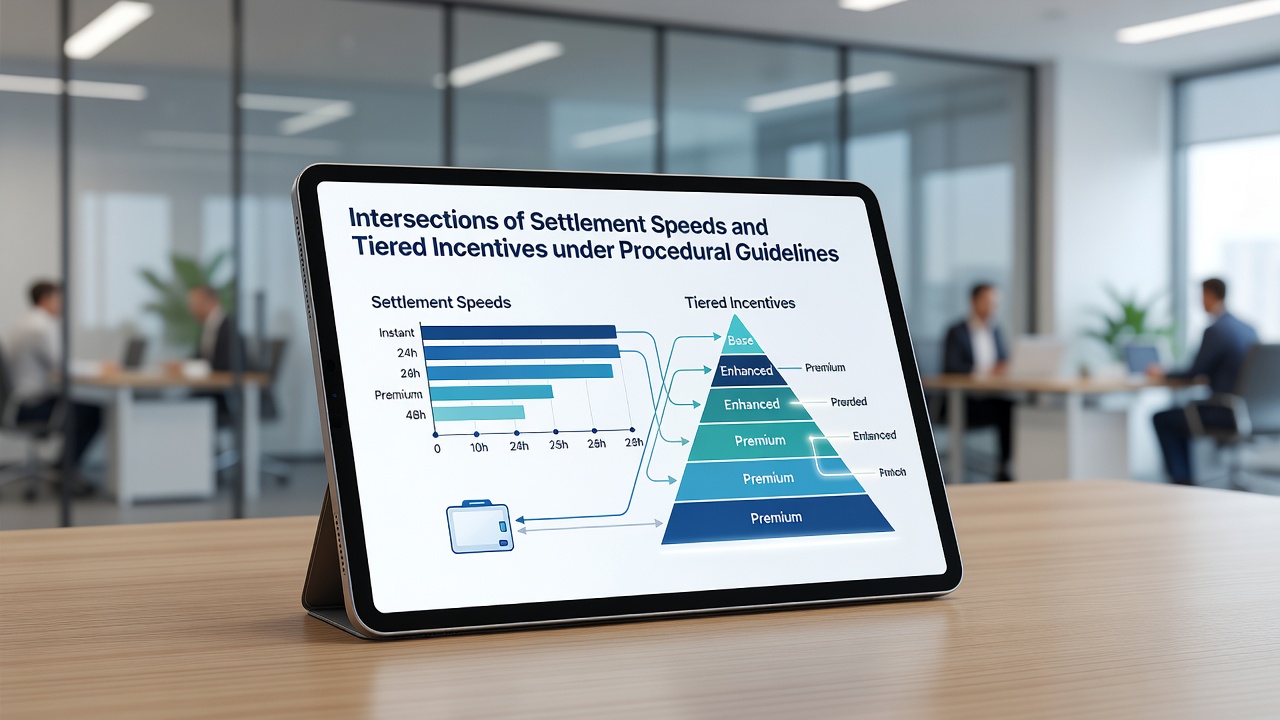
Intersections Under Procedural Guidelines
The intersections emerge when settlement speeds directly affect the timing and availability of tiered incentives, creating feedback loops within portable table formats that follow established procedural rules. Guidelines from bodies like Canada's provincial regulators require that incentive awards occur only after settlements clear designated verification periods, which prevents premature reward distribution. Observers note that this linkage promotes system integrity, as mobile platforms must synchronize transaction confirmations with tier updates to comply with oversight standards. Evidence from industry reports shows that platforms optimizing these intersections through automated protocols achieve smoother operations across diverse user bases.
Take one scenario where a user completes a table game session on a handheld device, and the associated settlement speed determines eligibility for an immediate tier bump. Procedural guidelines stipulate that such advancements require documented proof of cleared funds, integrating speed metrics into the incentive framework. Researchers discovered that variations in settlement times across regions lead to differentiated incentive experiences, with faster jurisdictions enabling quicker tier progressions. Data shows these patterns held steady into June 2026, as mobile adoption continued to expand under refined guidelines.
Practical Implementations in Portable Environments
Portable table formats utilize responsive designs that display settlement statuses and incentive progressions side by side, allowing users to monitor both elements through unified interfaces. Guidelines emphasize that these displays must present accurate, up-to-date information derived from verified processes, avoiding discrepancies that could arise from mismatched timing. Those who've analyzed mobile implementations find that integration of these features often relies on API connections between payment processors and reward engines, ensuring seamless data flow. According to updates from the New Zealand Department of Internal Affairs, similar frameworks in that region have incorporated mobile-specific settlement benchmarks since late 2025.
Examples include platforms that adjust incentive multipliers based on average settlement durations, rewarding users whose transactions clear rapidly with accelerated point earnings. Procedural guidelines mandate regular reviews of these adjustments to maintain compliance, with audits focusing on the accuracy of speed-based calculations. What's significant is that such systems support scalability, handling increased volumes without disrupting tier structures in portable settings.
Conclusion
Settlement speeds and tiered incentives intersect through procedural guidelines that shape operations in portable table formats, with mobile platforms serving as the primary venue for these interactions. Data from multiple regulatory sources confirms that these elements continue to evolve in tandem, supported by technological advancements and compliance requirements observed through mid-2026. Researchers and industry analysts document the mechanical connections that link transaction timelines to reward progressions, providing a factual basis for understanding these dynamics across jurisdictions.