Integrating Promotional Timelines with Payment Protocols in Mobile Casino Rule Frameworks for Loyalty Elevation
Erik Wolf · Aug 13, 2026
Integrating Promotional Timelines with Payment Protocols in Mobile Casino Rule Frameworks for Loyalty Elevation
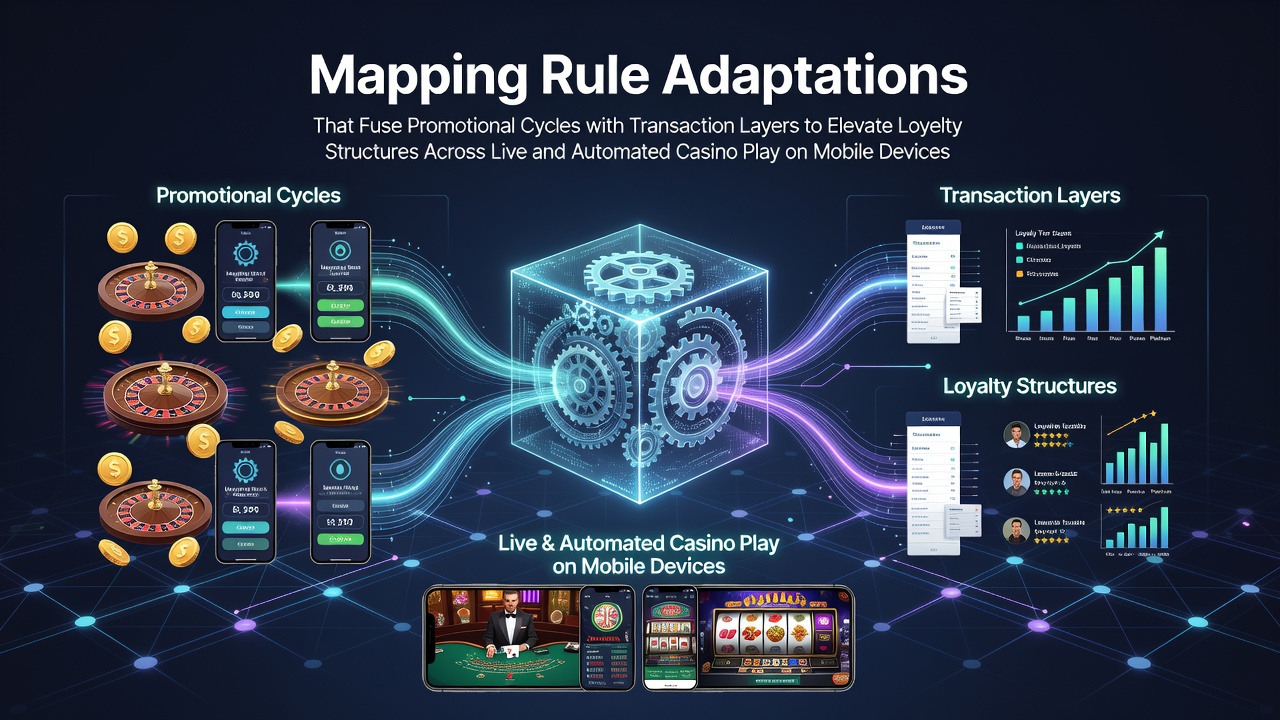
Rule adaptations in mobile casino environments have evolved to connect promotional cycles directly with transaction layers, creating structures that support loyalty programs across both live dealer sessions and automated slot mechanics, and data from industry reports in August 2026 shows continued expansion in these integrated systems as operators refine mobile platforms to handle real-time adjustments.
These mappings allow promotional offers such as timed bonus triggers to interact with payment processing rules, while transaction confirmations feed into loyalty point accumulations that apply equally to live table interactions and automated reel spins, and experts from regulatory bodies note that such fusions reduce friction in player progression tracking.
Core Components of Rule Adaptations
Promotional cycles typically operate on fixed or variable schedules that align with deposit and withdrawal protocols, so when a player completes a transaction during a promotional window the system applies adjusted loyalty multipliers that carry over between live dealer rounds and automated game modes, and this synchronization relies on backend protocols that update player profiles instantaneously across device sessions.
Transaction layers incorporate verification steps that trigger loyalty tier evaluations, whereas promotional elements like free spin allocations adjust based on recent payment history, and observers note that these connections maintain consistency whether the activity occurs in real-time dealer environments or through automated algorithms that simulate continuous play.
Application Across Live and Automated Formats
Live dealer play on mobile devices requires rule sets that accommodate variable timing from human-paced games, so promotional cycles integrate with transaction layers to award loyalty points at transaction confirmation points that coincide with game rounds, while automated play uses similar frameworks but processes them through scripted sequences that allow for higher volume interactions without manual oversight.
Studies from academic institutions indicate that these dual-format adaptations support retention by ensuring loyalty structures respond uniformly to both formats, and one example involves mobile users who switch between live blackjack tables and automated slot sessions yet retain accumulated benefits from prior transactions that occurred during promotional periods.
Data Patterns and Implementation Examples
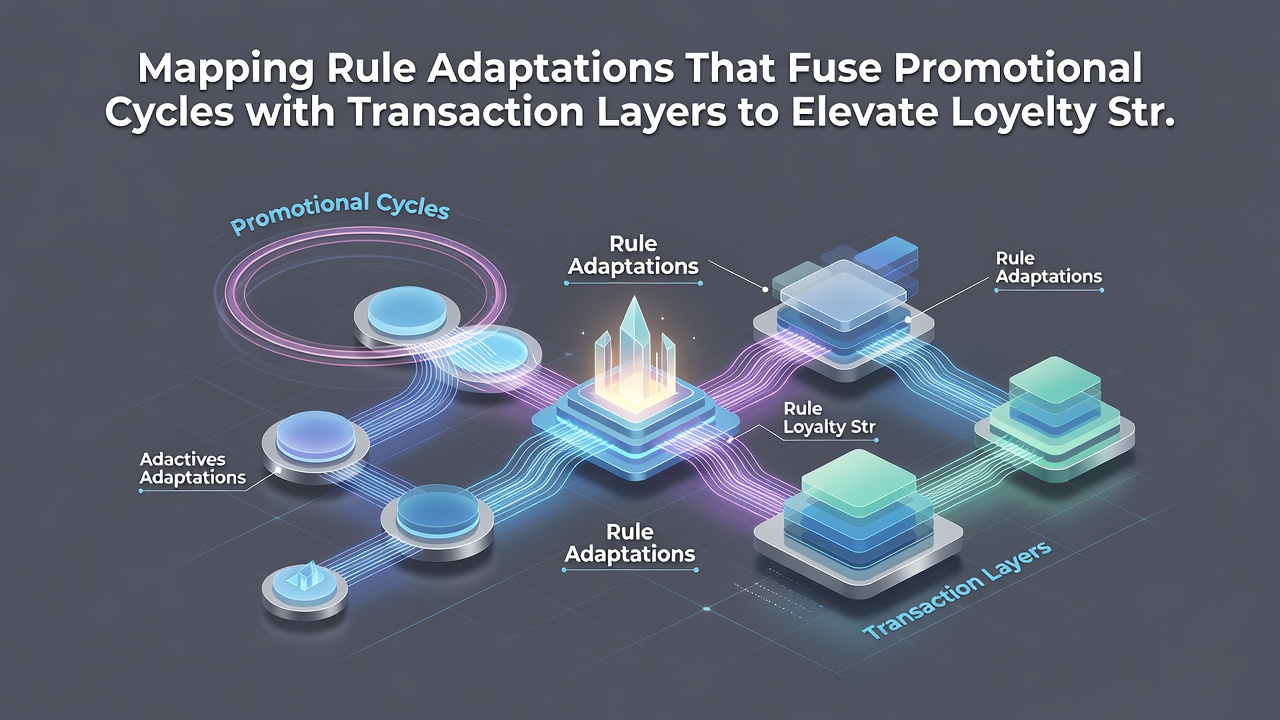
Figures from the Malta Gaming Authority reveal growth in mobile transaction volumes that coincide with promotional events, and these patterns demonstrate how rule adaptations map loyalty elevations to specific transaction types that apply across live and automated segments without requiring separate tracking systems. Operators have implemented these mappings through modular rule engines that detect promotional eligibility at the point of transaction authorization, then propagate the resulting loyalty adjustments to player accounts that remain active in both live dealer streams and automated game queues.
Case examples from platform analyses show users receiving tier advancements after a series of deposits during active promotional cycles, with the same loyalty credits applying whether the subsequent play occurs at a live mobile table or through automated slot progressions that continue independently.
Technical Mapping Processes
Backend systems employ conditional logic that links promotional start and end times to transaction validation routines, so a completed payment during an active cycle automatically updates loyalty parameters that govern both live interaction rewards and automated bonus triggers, and this process avoids duplication by using shared data layers accessible from any mobile session type.
Regulatory guidance from the Nevada Gaming Control Board outlines requirements for transparent rule documentation, and operators follow these by publishing adaptation mappings that detail how promotional and transactional elements combine to support loyalty progression in mobile environments.
Conclusion
Rule adaptations that fuse promotional cycles with transaction layers continue to shape loyalty structures in mobile casino settings by providing consistent mechanisms that function across live dealer and automated play formats, and ongoing developments in August 2026 reflect further refinements in these integrated systems as platforms expand their mobile capabilities.