Exploring Intersections Where Handheld Reel Algorithms Meet Tiered Loyalty Structures and Live Interaction Protocols to Shape Accumulating Prize Pools
Anna Simon · Jul 16, 2026
Exploring Intersections Where Handheld Reel Algorithms Meet Tiered Loyalty Structures and Live Interaction Protocols to Shape Accumulating Prize Pools
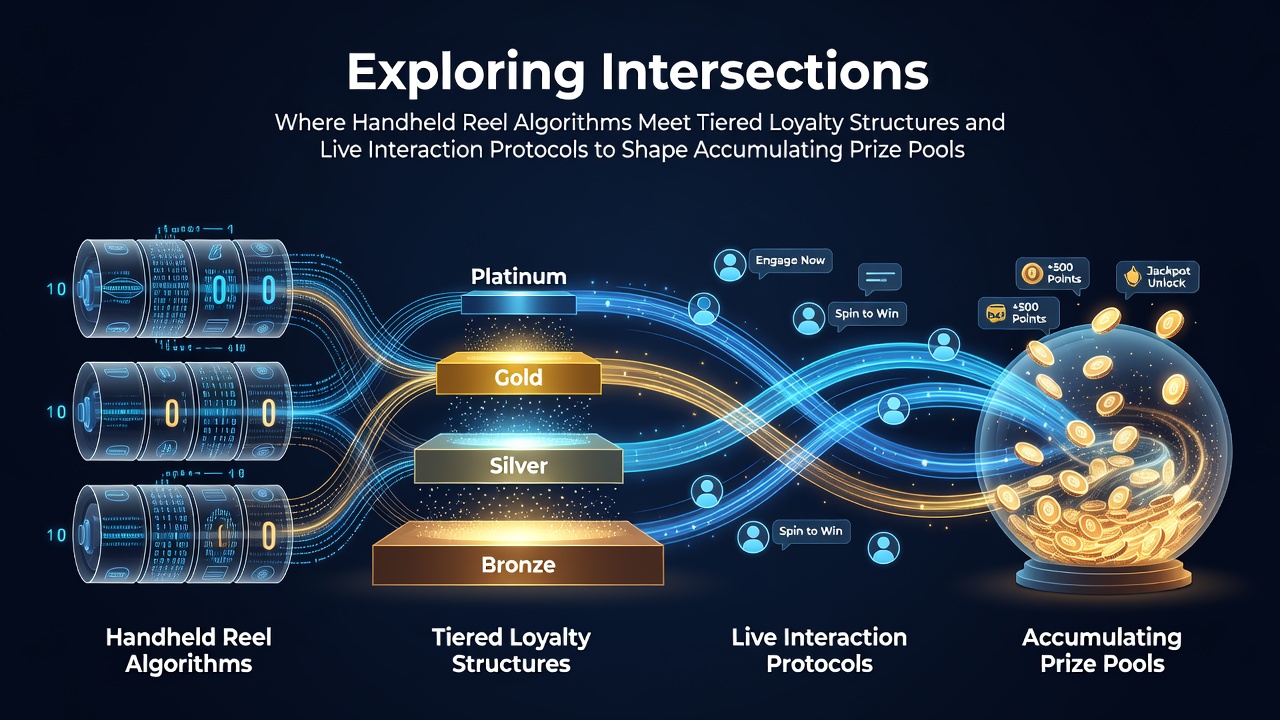
Handheld reel algorithms process player inputs through randomized number generators that feed directly into shared progressive meters, while tiered loyalty structures track cumulative activity to unlock multiplier effects on those same meters, and live interaction protocols stream real-time table outcomes that operators sometimes route into the same prize accumulation systems. These three elements operate on distinct technical layers yet converge at data aggregation points where contribution percentages from mobile spins, loyalty bonuses, and live wagers combine to increase pool values.
Algorithmic Foundations in Portable Reel Systems
Mobile reel engines calculate base game outcomes using pseudorandom sequences certified under jurisdictional standards, then apply contribution rates ranging from 0.5 to 3 percent of each wager toward progressive pools according to data compiled by the Nevada Gaming Control Board. When these algorithms detect patterns of repeated play from a single device identifier, they trigger loyalty tier flags that adjust future contribution percentages upward without altering the underlying randomness. The result appears on screen as an escalating meter that reflects both individual session volume and aggregated cross-player activity.
Loyalty Tier Mechanics and Their Pool Linkages
Tiered loyalty programs assign players to levels based on points earned through verified wagers, with each level granting access to enhanced bonus multipliers that operators apply to progressive contributions. In July 2026 several platform operators updated their backend schemas so that tier advancement events automatically recalculate a player's ongoing contribution rate to shared prize pools, creating a feedback loop where higher-status accounts accelerate pool growth during live sessions. Regulatory filings from the Australian Communications and Media Authority show that such adjustments must remain transparent in game rules and cannot override certified random number generator outputs.
Live Interaction Protocols Feeding Accumulators
Live dealer platforms transmit outcome data through dedicated APIs that some operators integrate with progressive jackpot ledgers. When a live table result meets predefined trigger conditions, such as a specific card combination or wheel segment, the protocol can route a percentage of the associated wager into a linked mobile progressive pool. This integration requires synchronization between the live game's timestamp server and the mobile reel ledger so that contributions register in the correct accumulation cycle.
Researchers at the University of Nevada, Reno documented cases where live interaction logs supplied additional data points that loyalty systems used to accelerate tier progression, thereby increasing the rate at which those same players' future mobile wagers contributed to prize pools. The study examined transaction records spanning multiple jurisdictions and found measurable correlations between live table volume and subsequent mobile progressive growth rates.

Data Synchronization Points Across Platforms
Operators maintain centralized ledgers that receive contribution packets from mobile reel servers, loyalty management modules, and live dealer interfaces. Each packet contains a timestamp, player identifier, wager amount, and tier multiplier flag. When these packets arrive within the same processing window, the ledger applies weighted calculations that determine the exact increment added to the visible prize pool. Delays in any single stream can shift which wagers receive credit for a particular growth step.
Industry reports from the European Gaming Standards Association indicate that standardized message formats now allow cross-vendor interoperability between these three systems, reducing reconciliation errors that previously caused contribution leakage. The same reports note that operators must maintain audit trails capable of reconstructing every increment back to its originating device type and loyalty tier.
Observed Patterns in July 2026 Deployments
Platform updates rolled out during July 2026 introduced conditional contribution boosts triggered when a player simultaneously maintains an active live session and meets mobile reel volume thresholds within a loyalty cycle. Backend logs from these deployments show that the combined activity produced larger average pool increments per hour than isolated mobile or live play alone. The changes required recertification of random number generators and live outcome servers in each affected jurisdiction.
Those who've examined the resulting transaction datasets note that tiered loyalty multipliers applied to live wagers sometimes carried over to subsequent mobile contributions within the same account session, creating a temporary elevation in pool growth velocity. Such carry-over effects remain subject to jurisdictional review and must appear in published game rules.
Conclusion
The technical intersections between handheld reel algorithms, tiered loyalty structures, and live interaction protocols produce measurable effects on how prize pools accumulate. Data packets from each system converge at centralized ledgers where contribution rates, tier multipliers, and live outcome flags determine incremental growth. Regulatory bodies across multiple regions continue to require transparent documentation of these linkages, while platform operators refine synchronization methods to maintain compliance and operational accuracy.