Cross-Border Payment Networks Transform Incentive Structures in Hybrid Gaming Environments
Olivia Baumann · Aug 20, 2026
Cross-Border Payment Networks Transform Incentive Structures in Hybrid Gaming Environments
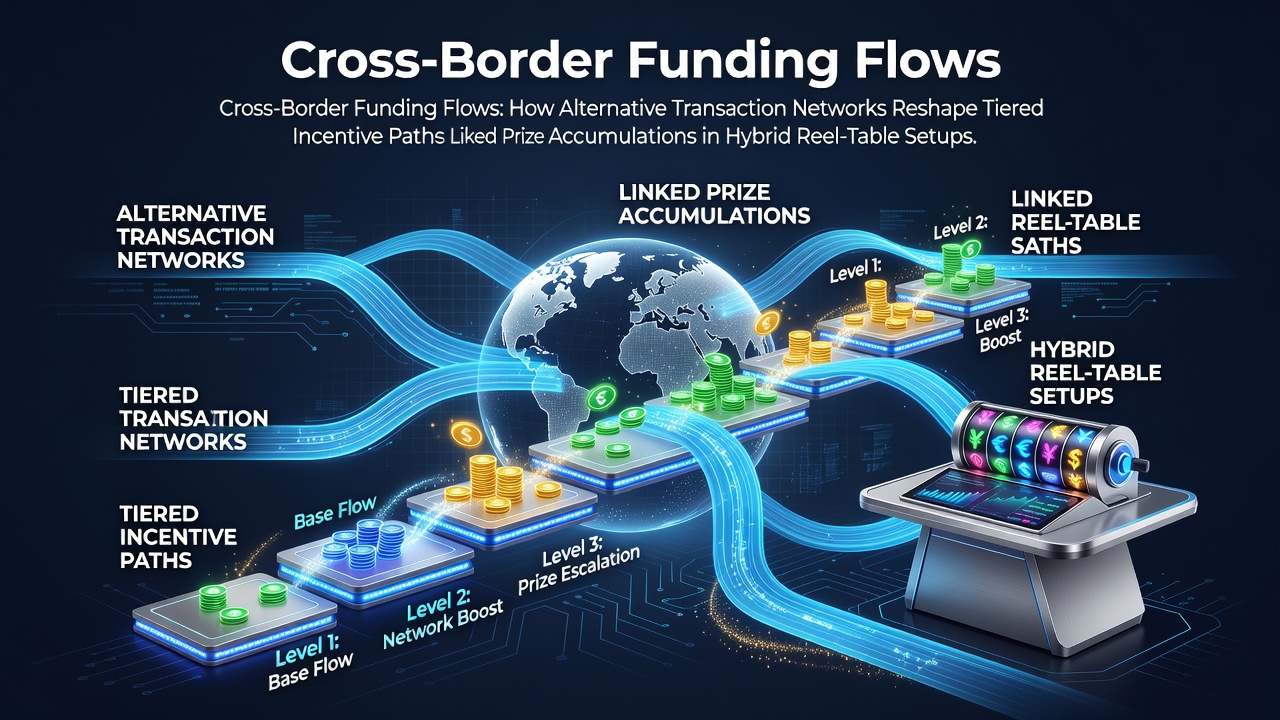
Alternative transaction networks have expanded rapidly in digital gaming sectors, and they now influence how operators structure rewards across borders. These networks include cryptocurrency processors, regional e-wallet systems, adn specialized payment rails that bypass traditional banking channels. Data from industry analyses show that such options allow faster fund movements between jurisdictions while altering the way bonus tiers and prize pools accumulate in games that combine reel mechanics with live table elements.
Mechanics of Cross-Border Networks in Gaming Platforms
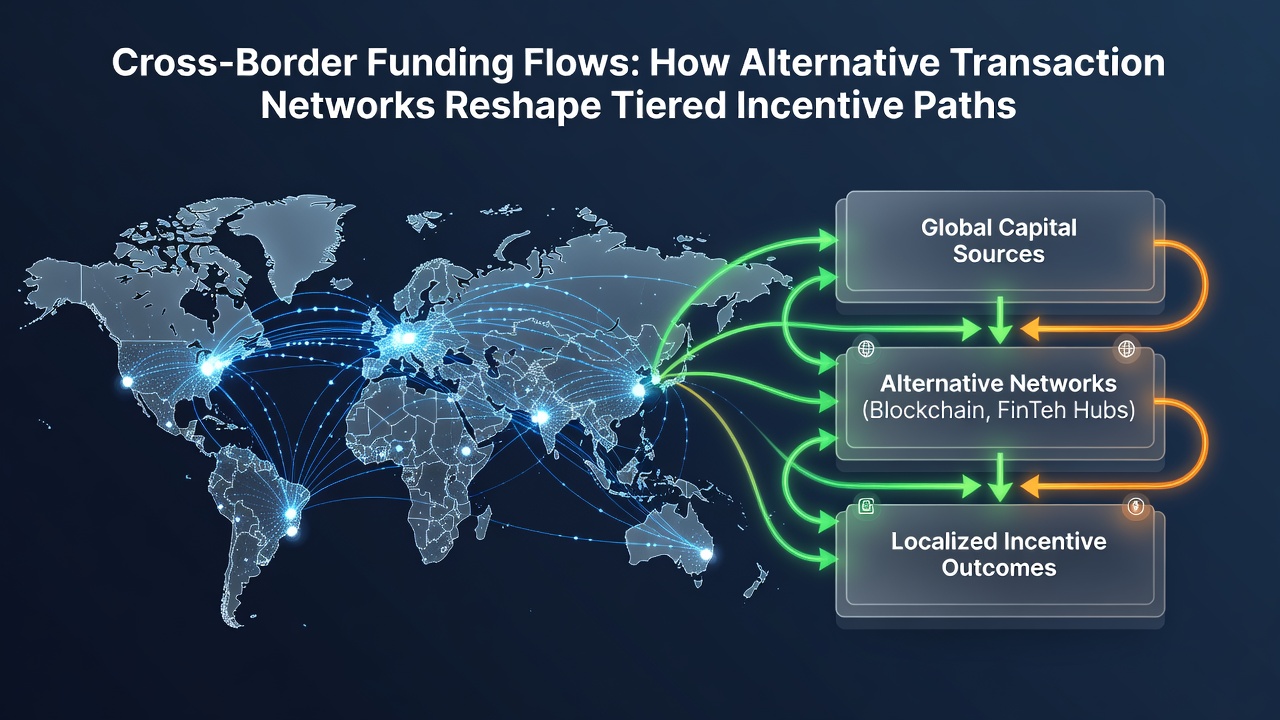
Operators integrate these networks to manage player deposits and withdrawals that cross multiple regulatory zones. When funds arrive through non-bank channels, processing times shorten, and this speed affects how loyalty programs calculate tier progression. Researchers tracking transaction patterns note that instant settlement options let platforms update player accounts in real time, which in turn feeds directly into accumulating prize multipliers that link slot outcomes with table game results. In hybrid setups, a single account balance often supports both reel spins and dealer sessions, so seamless inflows keep both prize ladders active without interruption.
Reshaping Tiered Incentive Paths
Tiered incentives rely on consistent activity metrics, and alternative networks change how those metrics update. Players who use regional digital wallets or blockchain-based transfers often see quicker recognition of deposit volumes, which accelerates movement through VIP levels. Reports from the European Gaming and Betting Association indicate that operators in multiple markets have adjusted their algorithms to account for these faster flows, creating parallel reward tracks that recognize cross-border activity separately from domestic play. This separation allows hybrid environments to offer distinct bonus multipliers that apply only when funds originate from specific network types, and it ties those multipliers to combined reel-table performance thresholds.
Linked prize accumulations grow when contributions from both game types feed into shared pools. Alternative networks facilitate this linkage by reducing friction in fund routing, so contributions register across game categories without delays that once fragmented accumulation rates. Observers following platform data note that in August 2026 several operators introduced unified jackpot engines that pull from reel wagers and table bets simultaneously, with the networks handling the underlying transfers that keep these engines synchronized across different licensing regions.
Effects on Prize Accumulation in Hybrid Setups
Hybrid reel-table environments combine random number generators with live dealer outcomes, and this mix creates complex contribution rules for progressive awards. Cross-border networks reshape those rules by allowing operators to pool funds from diverse player bases more efficiently. A study published by the University of Nevada Reno Gaming Research Center found that platforms using multiple payment rails recorded higher cross-category participation rates, because players could move balances between reel sessions and table rounds without currency conversion delays. The same networks also support dynamic scaling of prize contributions, where larger or faster inflows trigger temporary boosts to accumulation rates that apply across both game formats.
Regulatory frameworks in Canada and Australia have begun addressing these payment integrations through updated guidelines that require transparent reporting of how alternative networks affect bonus eligibility. These rules focus on ensuring that tiered paths remain consistent regardless of the transaction method, while still permitting operators to offer region-specific incentives tied to network availability. Figures from the Canadian Gaming Association reveal that hybrid titles using such networks experienced measurable increases in session length during periods when cross-border transfers operated at peak efficiency.
Future Patterns Emerging in 2026
Platform updates scheduled for later in 2026 continue to explore tighter integration between payment networks and game engines. Developers are testing systems that automatically adjust incentive multipliers based on the origin and speed of incoming funds, which could further link reel and table prize paths. Those who've examined early beta versions report that the adjustments maintain separate tracking for different network types while merging the resulting prize contributions into unified displays visible to players. This approach keeps the underlying mechanics transparent yet allows operators flexibility in how they reward activity across borders.
Conclusion
Alternative transaction networks have become central to how hybrid gaming platforms manage rewards and prize growth. By enabling quicker, more flexible fund movements, these systems alter tier progression timelines and support unified accumulation across reel and table formats. Industry data and regulatory updates through 2026 continue to document these shifts, showing measurable impacts on both player behavior and operator structures without changing core game rules. The patterns established now will likely influence platform design choices in subsequent years as networks evolve further.